Pack Your Bags, But Don’t Wait Till December
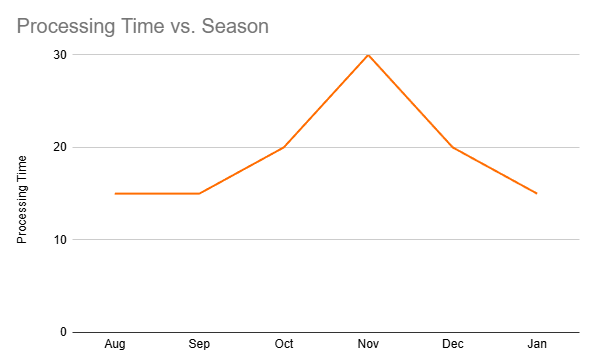
If you’ve ever tried to get a UK visitor visa around November or December, you know the waiting can feel like watching paint dry. The truth: visa processing takes longer during peak seasons. At Move Up, we want you in London, not stuck in paperwork.
When Are Delays Likely — Know the Peaks
| Time of Year | Typical Application Volume | Usual Processing Time* | Delay Risk |
|---|---|---|---|
| May–August (mid-year holiday season) | High (tourism + school holidays) | 3 → 4–6 weeks | Moderate–High |
| November–December (pre-Christmas, family + holiday travel)** | Very high | Often 4–6+ weeks or worse | High to Very High |
| February–April | Lower load | Usually 3 weeks or less | Low–Moderate |
| September–October | Medium-High (students & business travel) | Around baseline 3 weeks mostly | Moderate |
*Based on Home Office service standard + recent reports; real-time depends heavily on how complete your documents are.
**December is especially dangerous: applications flood in, biometric centres get busy, and documentation issues take longer to fix.
What Happens If You Delay
Here’s “Jane’s Story” so you see how this plays out:
-
-
June: Jane decides to visit her sister in the UK for Christmas in mid-December. She waits until early November to apply.
-
November: She applies, but has to wait 1 week to book biometric appointment. Her bank statement is flagged and she needs to upload extra documents. Her application misses the 3-week standard deadline.
-
Mid-December: Still waiting for decision. Flight is non-refundable. Jane loses money. Holiday plans delayed.
-
Contrast this with Sipho’s approach:
-
-
August: Sipho decides to travel in December. He applies early, books biometrics immediately, submits full, well-organised documents.
-
October: His visa decision comes back in ~3 weeks, plenty of time to book flights, accommodation, plan itinerary.
-
How Much Time Should You Give Yourself?
To avoid stress, here’s a timeline you can follow:
-
-
Travel will be in Dec or Nov? Start your application by August or September at the very latest.
-
For trips in May–August, apply by March–April.
-
If you’re travelling during off-peak months (Feb-Apr, Sep-Oct), you’re safer — 6-8 weeks ahead should be plenty, though 3-4 weeks is often enough.
-
What slows you down? (So you can avoid it)
-
-
Book your biometric appointment quickly after submitting the application. The clock starts then.
-
Double-check documents: bank statements, proof of funds, return tickets, reasons for visit, etc. Missing/weak evidence = delays.
-
Use Priority / Expedited services when available if your dates are fixed.
-
Don’t wait for flights or non-refundable bookings until visa granted.
-
Figures that matter
-
-
~3 weeks is Home Office’s stated standard for decisions on most visitor visa applications submitted from outside the UK.
-
But in high-demand months, many applicants report 4-6 weeks or more.
-
Delays sometimes push past this – reports of decisions taking “longer than expected” when documents are incomplete or during seasonal spikes.
-
The Move Up Advantage — How We Help You Beat the Queue
-
-
We help you prepare complete, strong applications up front
-
We guide you to choose the right visa category early, so no unnecessary back-&-forth
-
We can assist with Priority / Super-Fast options when time is tight
-
We track the best times & warn you if you’re too close to peak season
-
Don’t be “Jane” this December — be “Sipho”. Get ahead of the rush. If you’re planning travel between November-January, start your UK visitor visa application now.
Visit family & friends in the UK — legally
Free Visa CheckPack your bags, not your stress
See Visitor Visa OptionsApply the context to your plans
Get a clearer next step.
Share the relevant facts with Move Up through a focused questionnaire.
Start the visiting the uk assessment