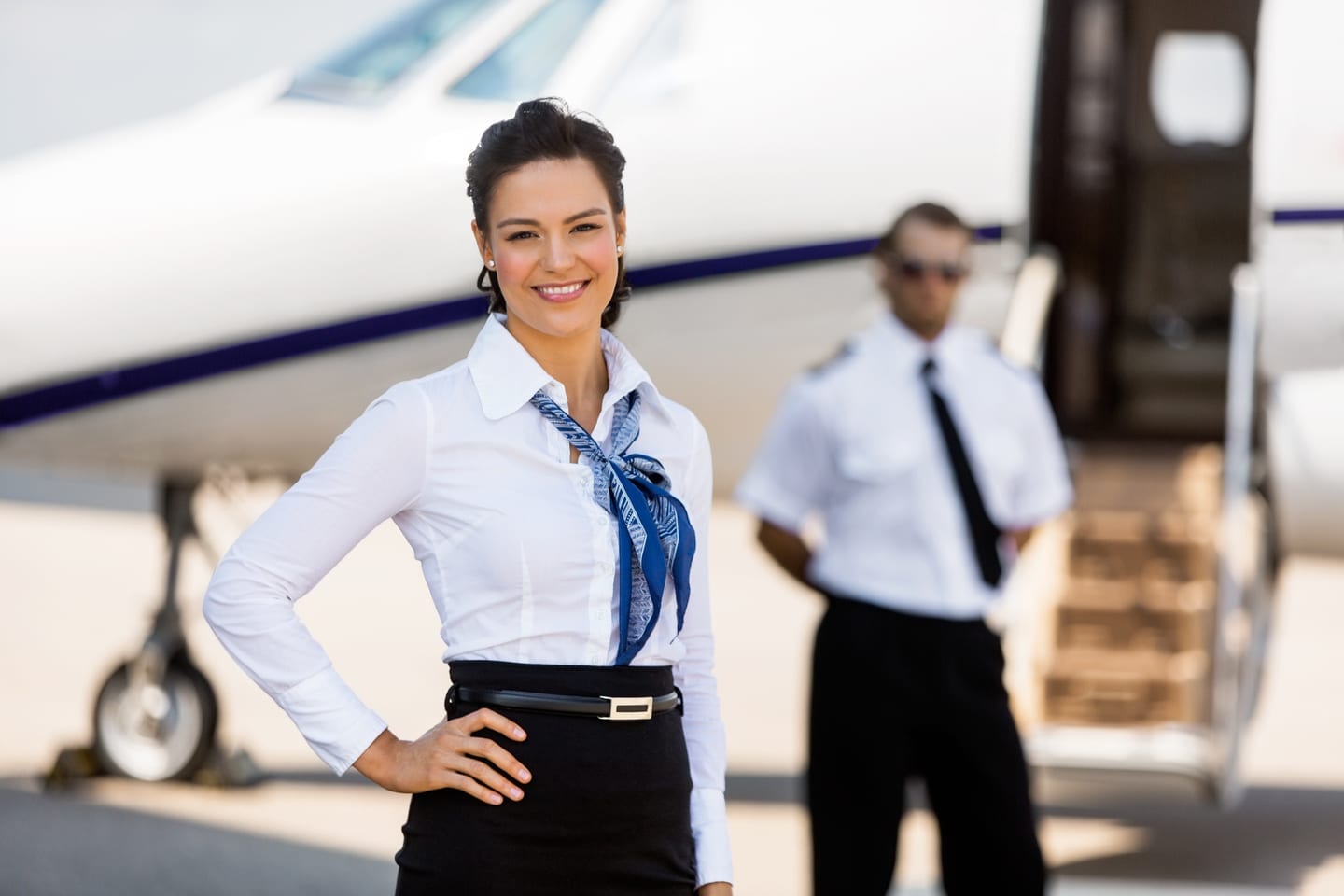
Long haul flights are inherently high-risk journeys, and not just because you’re travelling in a giant metal flying machine over 30,000 feet in the air. While flight attendants might evaluate how you’re dressed to see whether you may be a suitable candidate for an upgrade, or they might even eye your carry-on luggage to check you’re not over the size and weight limits, their main objective is to ensure all passengers’ safety.
“We recommend that all our clients research and follow their chosen airline’s travel rules and regulations for their own safety, and so they can successfully reach their destinations on time,” advises UK immigration company, Move Up.
“Whether you’re moving to a new country, on a business trip, or touring the region, it’s important to cooperate with flight staff for a safe and pleasant trip,” they add.
Book your flights with Move Up.
A
Quora thread that asks, “What do flight attendants notice about
passengers as they board the plane?” gave us insight into exactly what
they’re looking for.
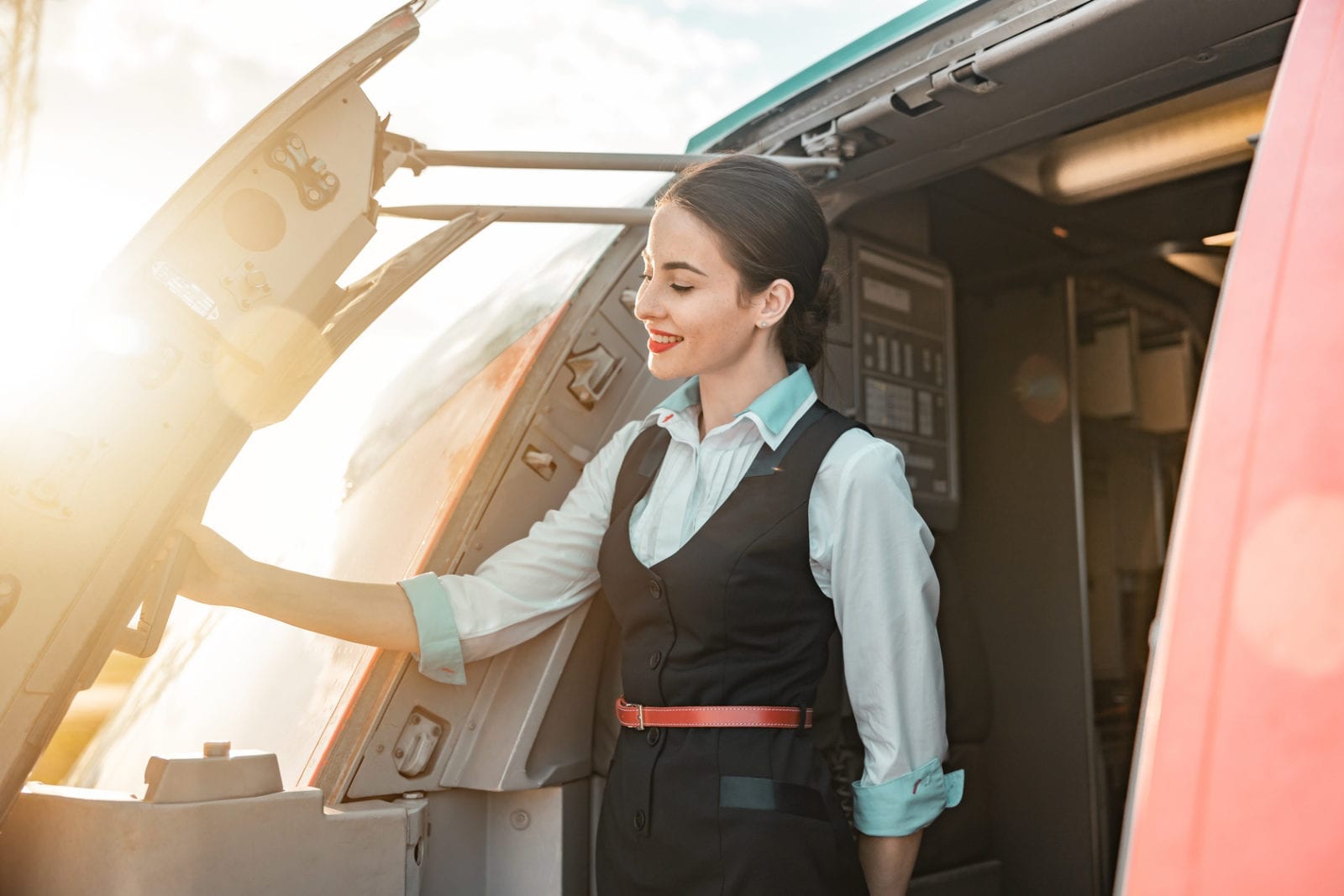
1. They check to see if you’re drunk
One of the reasons flight attendants ask to see your
boarding pass as you enter the plane is to check if you’ve had one too many: the way you interact with them gives flight
attendants an opportunity to quickly evaluate your state of mind. According to a cabin attendant with 30 years’
experience working for Lufthansa, drunk passengers may be denied entry on board
the aircraft.
“If a guest coming aboard is drunk or intoxicated by any drug, it can happen that he or she is not allowed to enter the plane. […] The first impression is often the right one, and we do refuse passengers who might be a danger for the safety of that flight. So far, I have refused four passengers and was luckily backed up by the purser and captain. All of these were drunken passengers,” says Sjaak Schulteis.
Flight attendants are trained to identify signs of
inebriation and to act immediately during boarding procedures: if someone appears to be intoxicated, the
potential for future problems is too great, which is why they are prevented
from settling on the plane.
“In the event we may need to evacuate the aircraft, the goal is to do so in 90 seconds, and I don’t want to unnecessarily risk my life or the life of others because a drunk or high person is being uncooperative,” added flight attendant, Amar Rama.
2. They check to see if you work out
Flight attendants make a point of looking for passengers who
are muscular, powerful, strong or physically fit and make a mental note of
where they are sitting.
“I consider this person a resource for me. In the event of an attack on the flight or on me, these are my ‘go-to’ people. If a situation looks like it could develop, I’ll privately and discreetly ask one of these people if they would be willing to help us if necessary. Help might involve subduing or restraining an unruly passenger. We hope it never happens, but we will prepare just in case it does,” says Bridger.

3. They check to see if you are an airline employee
Sometimes flights include passengers who are also airline
employees. They can choose to make
themselves known by boarding with chocolates.
Bridger says that she tries to learn if there are any passengers employed
by the airline – particularly crew members who have received training in
in-flight procedures.
Get your UK visas with Move Up – we’ll help reduce the paperwork, and the stress!
She adds, “They’ve been trained in what to do in an emergency, whether medical, mechanical, etc. They know how to handle the situations as well as I, and are trained to become an instant ‘team member,’ fitting right in immediately if needed. They are an invaluable resource for me, and I like to know who they are and where they’re sitting.”
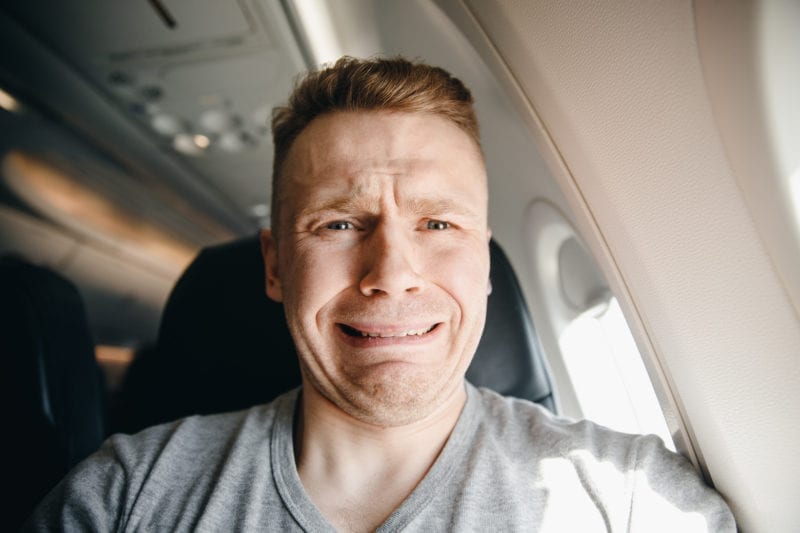
4. They check to see if you’re unwell or scared
Flight attendants look for signs of passengers who are
drunk, drugged, sick, angry or afraid.
Myriam Mimi, a flight attendant since 1994, says, “That is extremely important as if I have the possibility to avoid any kind of troubles over the Atlantic, then I address it on ground. I say hello, welcome on board… and listen to how they respond.”
According to Bridger, “I’ve had passengers board who look pasty and pale, deathly ill. We removed them; nobody wants their flu germs!”
Rama agrees. “We are in an enclosed space, therefore if you’re sick, it’s not right to pass it on to others.” She adds that anyone would prefer serious medical issues to occur on the ground, rather than in the air.
“I once saw a woman at the gate have a heart attack — I
was so thankful it happened on the ground and not while we were in flight.
Flight attendants are all trained in CPR, Automated External Defibrillators,
basic first aid emergencies, but we cannot diagnose you nor have the expertise,
experience or treatment as doctor,” she adds.
5. They check to see if anyone looks nervous
Bridger says that flight attendants keep an eye out for
anyone who might be afraid of flying, “and need a word of comfort and
encouragement.”
6. They check for disabilities
According to Bridger, “I watch for disabilities that may disqualify someone from sitting in the exit row. They need to be able to physically lift a heavy hatch (up to 60 lbs) or open a heavy door (several hundred pounds). “
Rama says that they check for special needs to see whether
passengers might “require extra assistance during an emergency. This way,
if anything were to happen, I want to make sure they are not left behind.”
7. They look for signs of illegal activities
“I’ve had people try to smuggle pets in their purses or
handbags, bottles of booze in their briefcases (booze is allowed as long as it
stays capped. You just can’t drink your own liquor on the plane),” says
Bridger.
“So yes, I need to be vigilant and aware, all behind my
‘greeting face’ of smile and pleasant, comforting welcome!”
She adds “when you consider that I have approximately three to four seconds to make that passenger feel welcomed and comfortable, and then also assess them for all of the potential that they bring with them onto the plane… well, it can require a lot of focus.”
Move Up now offers an international and local flight booking facility along with our full complement of UK visa offerings, making your travel experience even more efficient.
Get in touch with our experienced consultants via info@moveup.co.za or call 021 761 4608 if you’d like to chat through your immigration or visitor visa options. Alternatively, take our free visa assessment to see which UK visas you might qualify for.
Apply the context to your plans
Get a clearer next step.
Share the relevant facts with Move Up through a focused questionnaire.
Choose an assessment