

The UK Government has officially opened a 12-week public consultation on a major overhaul of its settlement (ILR) system. The headline proposal:
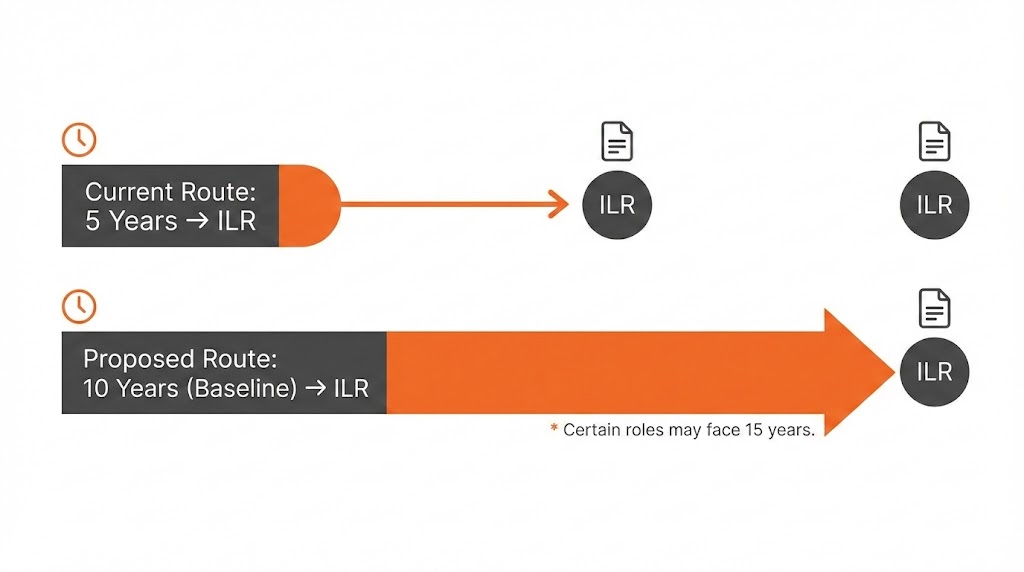
5-year ILR routes could be replaced with a 10-year baseline — and in some cases, 15 years.
Nothing has changed yet.
But the consultation signals strong political intent, and if approved, the new rules could come into effect in 2026.
Move Up has reviewed the full consultation so South Africans know exactly what’s being proposed, who is affected, and how to plan ahead.
1. What Is the UK Proposing?
The consultation suggests replacing the current ILR landscape with a new “earned settlement” model.
The key changes on the table:
1.1 A 10-Year Baseline for ILR
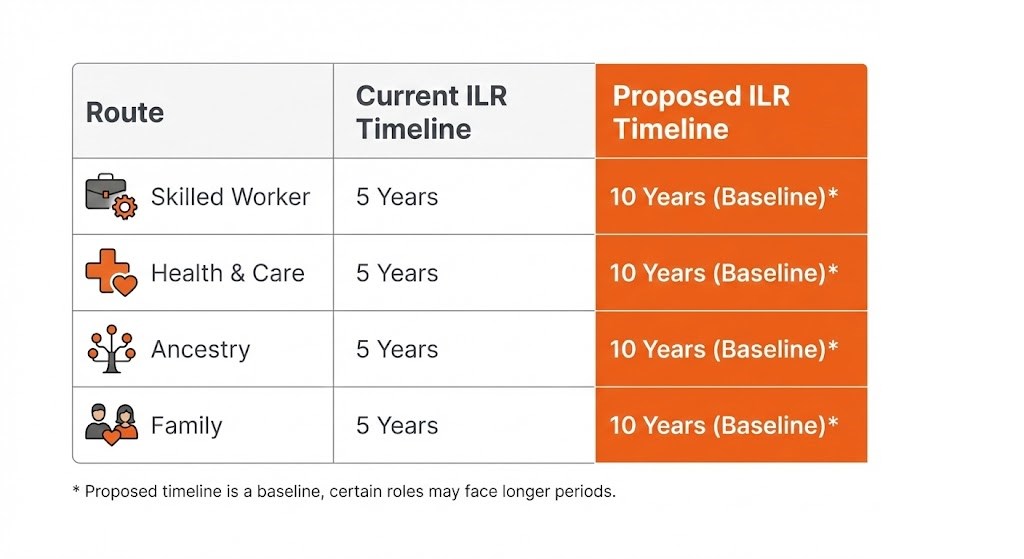
Most work and family routes that currently qualify for ILR after 5 years would shift to 10 years.
1.2 15-Year Paths for Certain Roles
Lower-wage or lower-skilled occupations — including many in the Health & Care sector — could face a 15-year timeline before qualifying for settlement.
1.3 “Earned Settlement” Requirements
Settlement would no longer be granted simply for completing time in the UK.
Applicants may need to demonstrate:
-
-
-
Contribution (earnings, taxes, work history)
-
Integration (community participation, improved English, civic knowledge)
-
Character (criminality thresholds tightened)
-
Residence compliance
-
-
1.4 ILR Might No Longer Unlock Public Funds
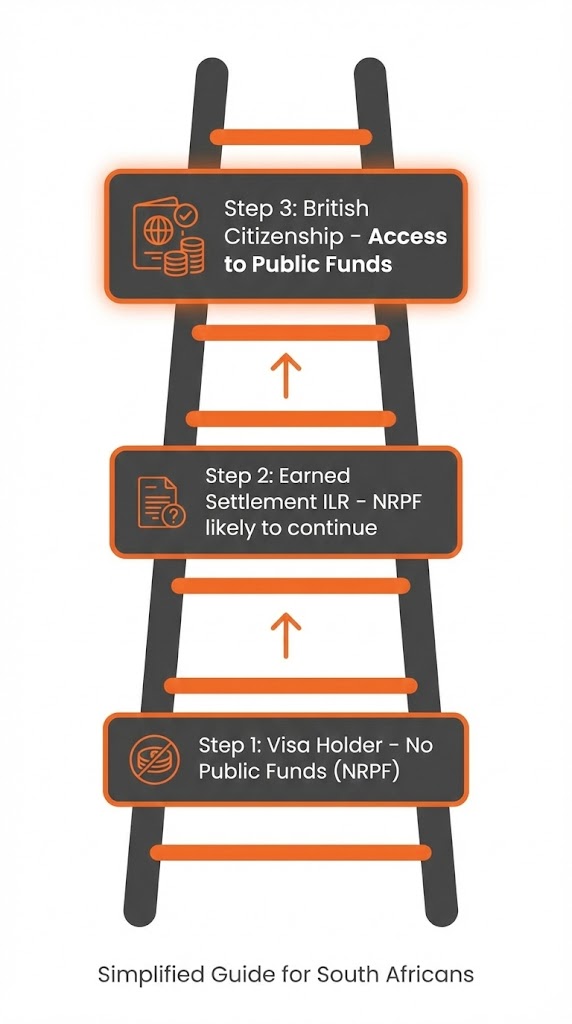
A major shift: ILR may continue to carry NRPF (No Recourse to Public Funds).
Access to benefits may only begin at British citizenship.
2. Why Now?
The UK has seen record migration since 2021.
Current projections show 1.6 million people on track to gain ILR between 2026–2030 under old rules.
The UK government wants to:
-
-
Slow down long-term settlement
-
Reduce fiscal pressures
-
Tighten access to the welfare system
-
Encourage “contribution-based” migration pathways
-
3. When Could the New Rules Start?
⏳ The consultation runs for 12 weeks.
After that, drafts will be refined and moved into law.
📅 Expected implementation: mid to late 2026
This gives South Africans time to plan — but not time to ignore it.
4. Who Would Be Affected?
SAFE (not affected):
-
-
People who already hold Indefinite Leave to Remain
-
EUSS Settled/Pre-Settled Status
-
Windrush routes
-
IMPACTED (if new rules are approved):
-
-
Skilled Worker visa holders
-
Health & Care Workers (especially lower-paid roles)
-
UK Ancestry visa holders
-
Family route applicants
-
People already in the UK who don’t yet have ILR
-
People planning to move to the UK in 2026 and beyond
-
5. What This Could Mean for South Africans
Here’s a practical route-by-route summary using plain English:
Skilled Worker Visa
Current: 5 years to ILR
Proposed: 10 years (and possibly 15 for RQF Level <6 roles)
Impact:
-
-
Longer timelines
-
More requirements
-
Earnings and tax history become important
-
Health & Care Visa
Current: 5 years
Proposed: 10–15 years (especially for lower-wage roles or dependants)
Impact:
-
-
This group is explicitly mentioned in the consultation
-
Expect the biggest changes here
-
UK Ancestry Visa
Current: 5 years
Proposed: 10 years
Impact:
-
-
Still one of the most flexible long-term routes
-
But ILR becomes a longer journey
-
Family Route (Partner/Spouse)
Current: 5–10 years
Proposed: Likely to standardise at 10 years (with possible fast-track exceptions)
Impact:
-
-
Still one of the more stable paths
-
But ILR likely shifts to 10 years for most
-
UK Settlement Rules Are Changing
A 12-week consultation has opened to replace 5-year ILR with a 10-year “earned settlement” model.
Learn More10–15 Year Settlement Timelines on the Table
From Skilled Worker to Health & Care and Ancestry routes — timelines may double.
Book a ConsultationNothing Has Changed Today. But 2026 Could.
Plan early. Know your risks. We’ll help you navigate the transition.
Skilled Worker Visa InformationApply the context to your plans
Get a clearer next step.
Share the relevant facts with Move Up through a focused questionnaire.
Choose an assessment