
A British parent or UK-born grandparent can be a useful starting point when exploring your UK options. The next step is understanding what that connection could mean in your circumstances. Two questions are worth keeping separate: could you already hold British citizenship, or could you qualify for a UK Ancestry visa?
Could you already be British?
British citizenship can depend on where and when you were born, your parents’ status and how citizenship was acquired. For children born outside the UK, citizenship normally passes automatically through one generation. That is a general rule, not a complete assessment of every family. Someone who is not automatically British may have a route to registration, depending on their circumstances.
British citizenship through a British parent — GOV.UK
A citizenship assessment should help clarify the status question before you choose an application. Establishing existing citizenship, applying to register as British and applying for a passport are different steps. The appropriate starting point depends on your history.
Citizenship through a British parent: born on or after 1 July 2006 — GOV.UK
Does a UK-born grandparent settle Ancestry visa eligibility?
A qualifying grandparent is one requirement. The wider checks still matter. For South African citizens considering this route, those checks include your age, ability and intention to work, and ability to support and accommodate yourself and any dependants without public funds. Applicants must be at least 17 on their intended arrival date. Other validity, suitability and entry requirements also apply.
UK Ancestry caseworker guidance — GOV.UK
The qualifying birth circumstances include the UK, Channel Islands and Isle of Man, with specific provisions for births in what is now Ireland before 31 March 1922 and certain ship or aircraft births. Adoption can be relevant; a step-parent connection does not qualify.
UK Ancestry visa eligibility — GOV.UK
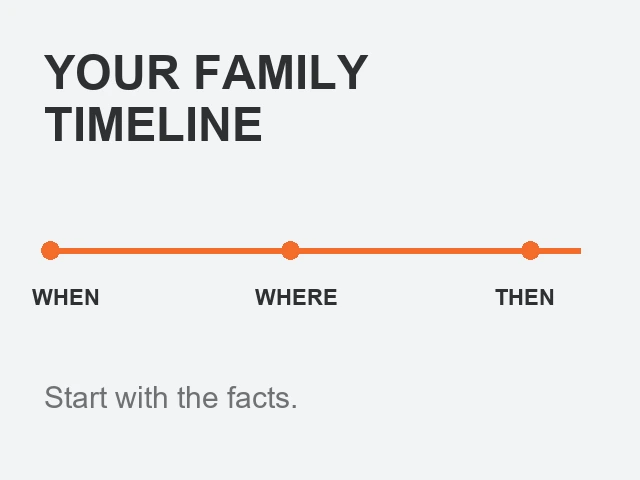
Start with your family timeline
Gather what you know before trying to choose a route:
- Your birthplace and date of birth
- Your parents’ and grandparents’ birth details
- Relevant nationality history
- Birth certificates and records connecting the generations
- Adoption or name-change records, where relevant
For an Ancestry visa application, the documentary requirements extend beyond family records to matters such as work plans and financial evidence. The exact documents depend on your circumstances.
Documents required for a UK Ancestry visa — GOV.UK
Choose the question you want assessed
British citizenship assessment
Explore whether you already hold citizenship or whether a possible route to acquiring it needs investigation.
Start the British citizenship assessment
UK Ancestry visa assessment
Explore your grandparent connection alongside the wider visa requirements.
Start the UK Ancestry visa assessment
An assessment is a starting point for reviewing your circumstances. It does not grant citizenship, issue a passport or guarantee a visa.
General information, checked 2 November 2026. Individual circumstances and the applicable rules must be reviewed.
Apply the context to your plans
Get a clearer next step.
Share the relevant facts with Move Up through a focused questionnaire.
Start an assessment