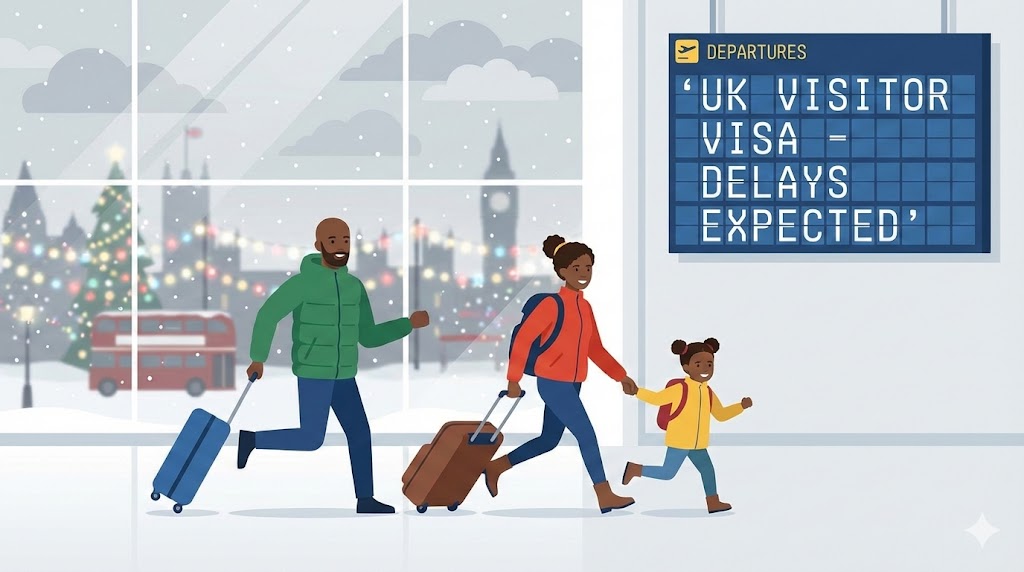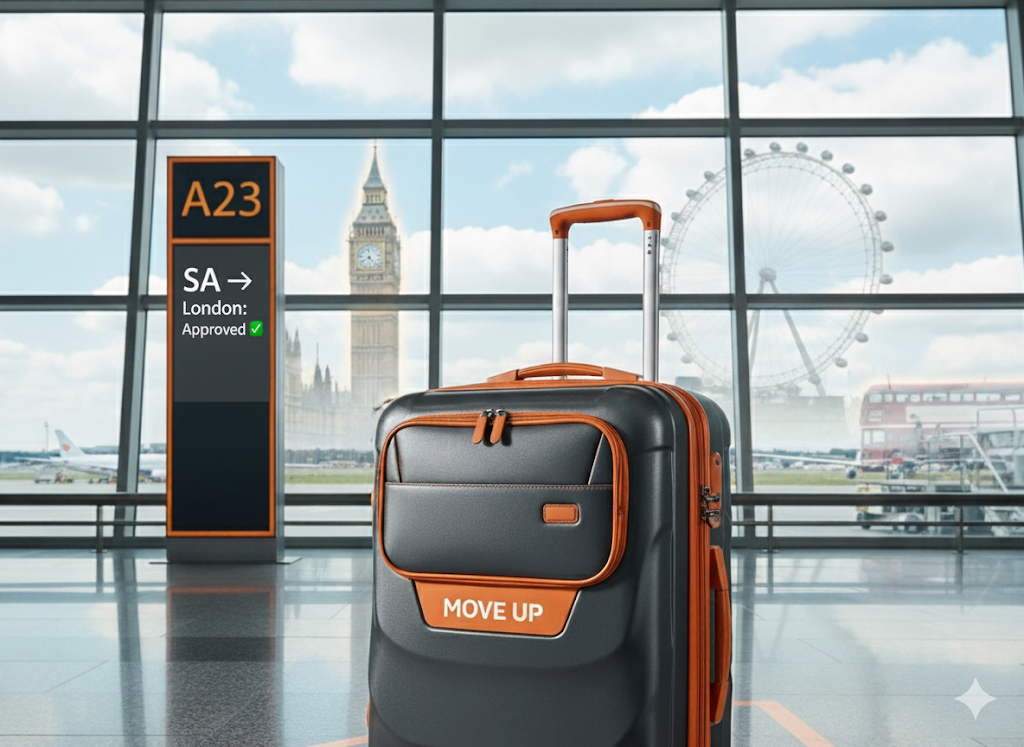
There has been significant media attention around the UK’s Electronic Travel Authorisation (ETA) system and the rollout of digital eVisas.
Understandably, many travellers are asking:
-
-
Do I now need an ETA?
-
Does this replace visitor visas?
-
What happens if I have dual nationality?
-
Are South Africans included?
-
Let’s break it down properly.
1. British Passport Holders: No Change
If you hold a valid British passport:
You do not need:
-
-
An ETA
-
A visitor visa
-
An eVisa
-
Pre-travel clearance
-
British citizens enter the UK as of right.
The digital transformation does not alter your status.
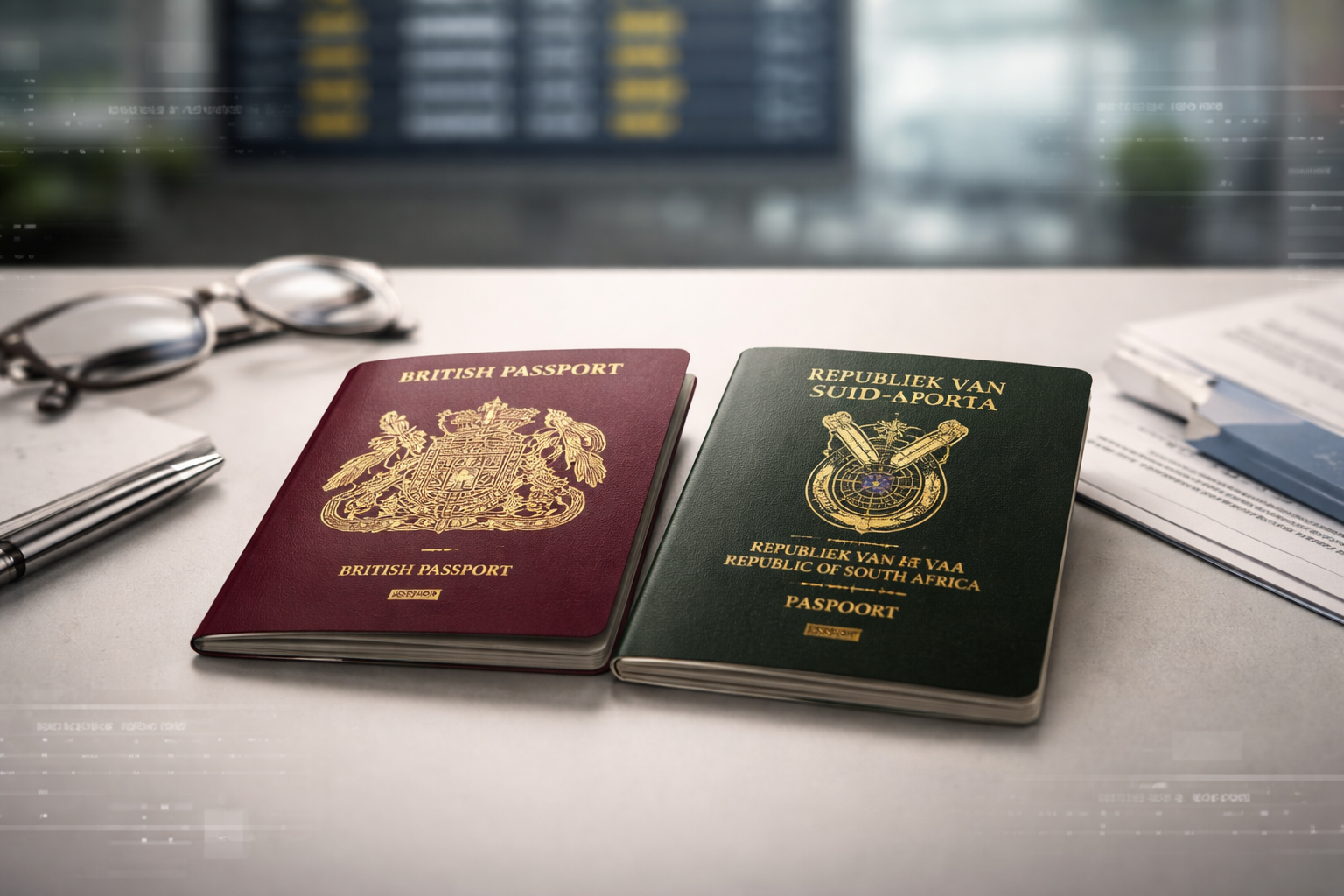
If you are a dual citizen, always enter the UK using your British passport.
This avoids:
-
-
Visa complications
-
Immigration questioning
-
Entry delays
-
2. South African Passport Holders: Visitor Visa Still Required
South Africa remains a visa national country for the UK.
This means South African citizens must apply for a Standard Visitor Visa before travel.
The current process includes:
-
-
Full online application form
-
10 years of travel and immigration history
-
2 years of residential address history
-
Financial documentation
-
Biometrics appointment
-
Government application fees
-
The ETA system does not currently apply to South Africans.
While many visa-free countries are moving to ETA, South Africans remain under the full visitor visa regime.
3. ETA vs eVisa: What’s the Difference?
ETA (Electronic Travel Authorisation):
Applies to visa-free nationals travelling for short visits. It is a pre-travel authorisation, not a visa.
eVisa:
Applies to individuals who already hold UK immigration status. It replaces physical BRP cards and stores immigration permission digitally.
They serve different groups.
However, the direction of policy is clear:
The UK is building a fully digital border ecosystem.
Over time, systems may become more integrated.
But as of 2026, they are not interchangeable.
4. Why It Feels Confusing
Because multiple systems are rolling out simultaneously:
-
-
ETA expansion
-
Physical BRP phase-out
-
Digital immigration status accounts
-
Stricter border technology
-
It creates the impression that “everyone now needs something new”.
That is not accurate.
The requirements depend entirely on your nationality and immigration status.
5. The Bigger Picture: Digitisation of Borders
The UK government’s policy direction is toward:
-
-
Pre-travel screening
-
Digital permissions
-
Data-led border management
-
For some nationalities, this has simplified entry.
For visa nationals, the system remains documentation-heavy.
Understanding where you fall in that framework is critical before making travel plans.
Final Clarity Summary
British passport holder?
Travel normally.
South African passport holder?
Apply for a visitor visa.
Dual citizen?
Enter the UK on your British passport.
Unsure if you may qualify for British nationality?
That conversation is worth having before you apply for a visa.
If you’re unsure which category you fall into (or whether you may qualify for a British passport) speak to our team.
Clarity before application saves time, cost, and stress.
UK ETA & eVisa: Who Needs What?
Digital borders are expanding. Here’s what actually applies to you.
Read the 2026 GuideBritish Passport? No ETA Required.
British citizens enter the UK as of right. Nothing changes.
Check Your StatusApply the context to your plans
Get a clearer next step.
Share the relevant facts with Move Up through a focused questionnaire.
Start the visiting the uk assessment